STEM
- Home ·
- Youth & Education ·
- Docs for Schools Today ·
- STEM
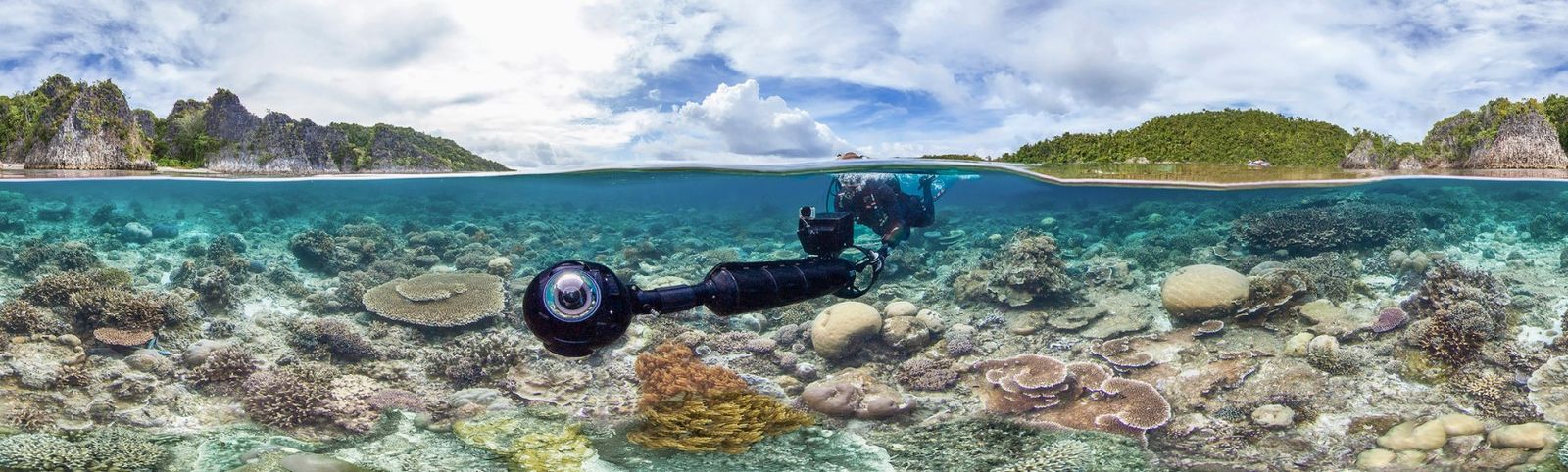
Chasing Coral (D: Jeff Orlowski)
Stay up to date on Docs For Schools news. Join Join the Docs for Schools Email List.
Film Archive:
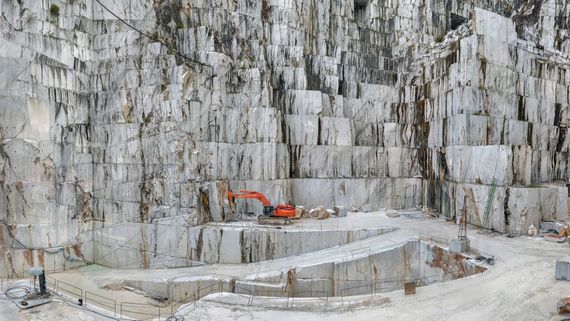
Anthropocene: The Human Epoch
D: Jennifer Baichwal, Nicholas de Pencier, Edward Burtynsky Canada 2018 86 min
A stunning cinematic meditation on humanity's massive reengineering of the planet, Anthropocene: The Human Epoch is the final film in an award-winning trilogy that includes Manufactured Landscapes and Watermark. (TVO)
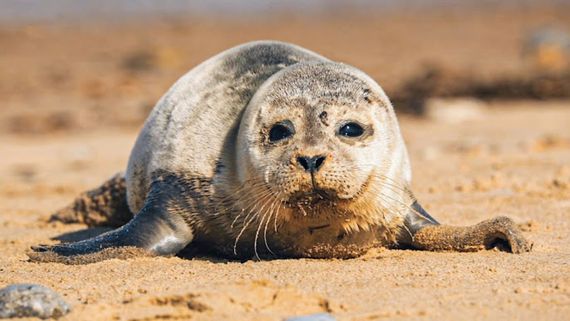
BBC Earth's short documentary series The Science Of Cute.
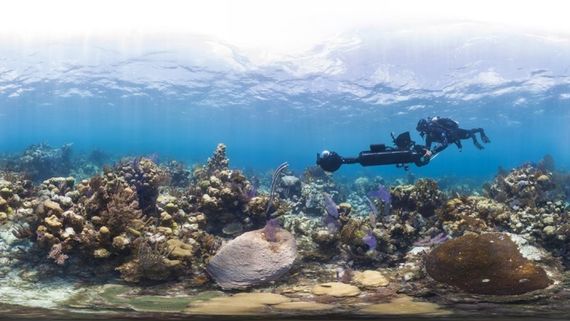
From the director of Chasing Ice comes this breathtaking cinematic journey below the world’s oceans to its coral reefs. Spectacular time-lapse footage reveals the devastating impact of climate change, which threatens to eradicate this marvelous ecosystem—within our lifespan.
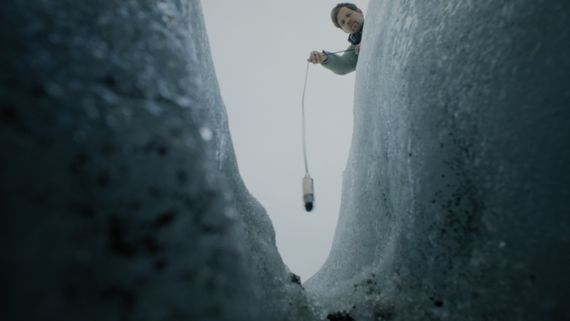
The louder the glacier, the stronger the melt. The creaking, cracking and rippling is the voice of impermanence. Sound artist Ludwig Berger shows how important it is to listen to the world that surrounds us. The film follows him on one of his numerous visits to Morteratsch glacier in the Swiss Alps, where he collects fascinating sounds that might disappear forever.
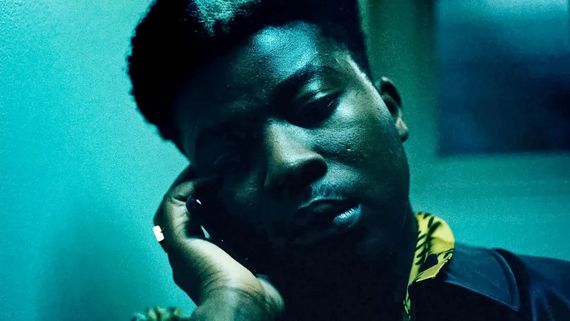
Doctors' appointments, job applications, personal banking, key services, and more are today mostly managed online. While the UK government details its plans for a digital future to transform public services, one in seven Britons are forced to live without the internet. This film is voiced by three individuals experiencing digital exclusion, revealing how varied and complex the repercussions can be. Through enacted scenes from their lives, it makes visible the expanding digital divide—an issue too often unseen or ignored by policy makers, businesses and society at large.
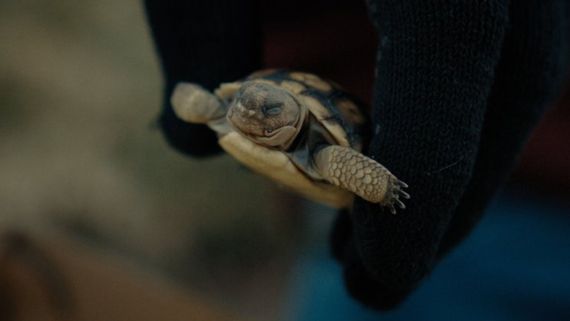
Conservation biologist Tim Shields sees urgency in the field and finds that traditional conservation practices are lacking when it comes to saving desert tortoise populations from ravens. He goes rogue, employing an arsenal of lasers, exploding model turtles, drones and desert rovers as a means of protecting the tortoise's dwindling numbers. - Eileen Arandiga
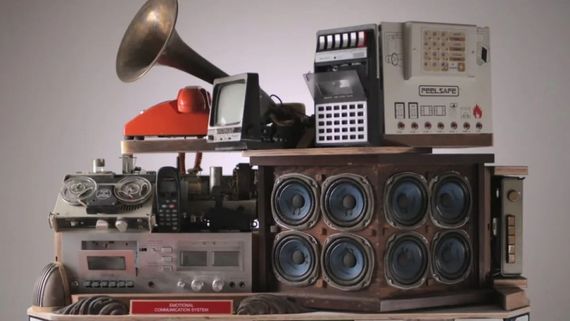
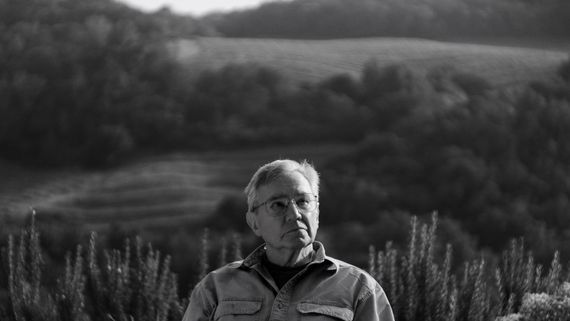
I sat down with Jad Abumrad and talked about sound, music and the function of music. Then I turned that conversation into a film.
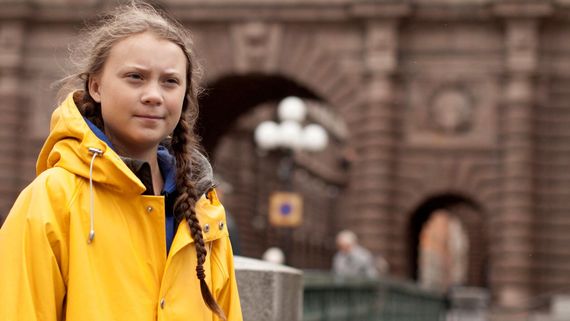
The story of teenage climate activist Greta Thunberg is told through compelling, never-before-seen footage, in this intimate documentary from Swedish director Nathan Grossman.
Two innovative teens set out to rid the world of plastic waste. Along the way, they discover plastic-eating bacteria, unlock breakthroughs in chemistry and journey from Vancouver to Silicon Valley.
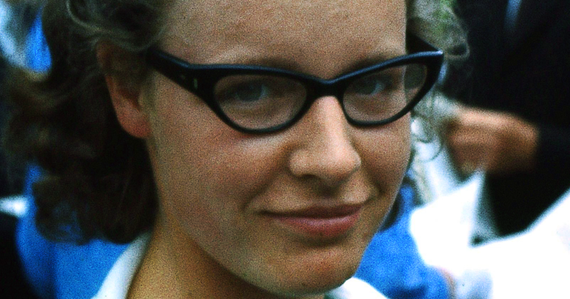
In 1967, Jocelyn Bell Burnell made an astounding discover, of pulsars. But as a young woman in science, her role was overlooked, and although the Nobel prize was given for this discovery, Burnell did not receive.
The sign of a healthy ecosystem is the sound it makes. Masha Karpoukhina’s documentary follows soundscape ecologist Bernie Krause who lost everything in a California wildfire.
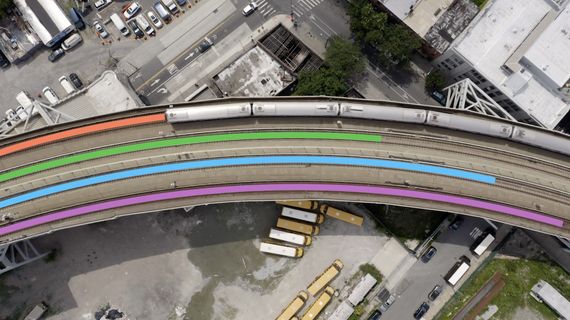
about a digital redesign of New York City's iconic subway map. Filmmaker Gary Hustwit documents the process as digital agency Work & Co creates a new "live map" — one that updates in real-time — to help New Yorkers and tourists better plan their journeys. The film examines the evolution of wayfinding and user interfaces, and shows how good design and the latest digital technology can simplify one of the world's most complex transit systems.
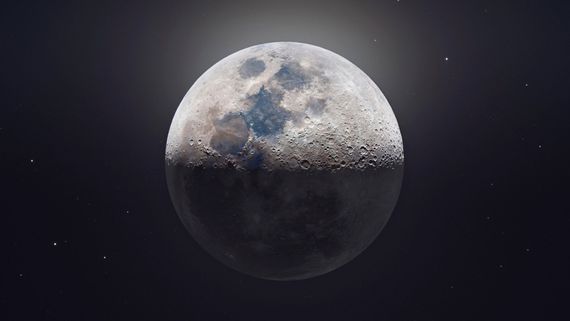
Andrew McCarthy's (@cosmic_background) inventive and eye-catching images of the cosmos have helped him go from a complete newbie to arguably the internet's most popular astrophotographer in just a few years. The film tells Andrew's inspiring story, and follows along on his excursion to capture an iconic photograph of a rare Blood Moon eclipse. In his words, he wants to show people the moon in a "way they've never seen it before."
This time, we head for the cliffs, beaches and headlands of the Pacific's coasts. We discover what connects sea cows to mermaids, head onto mangrove mud with battalions of crabs, fill up on a shellfish buffet with bears, and follow salmon inland on their yearly migration to spawn.
The story of the student who became a planet hunter. When Anne Dattilo attended a guest lecture at the University of Texas she had no idea it would be the start of a journey involving complex algorithms, a space telescope breaking down in orbit, a trip to an observatory in the Chihuahuan desert and, finally, the discovery of two new planets.
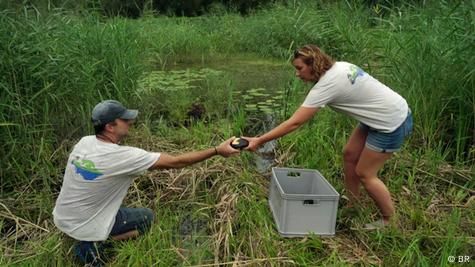
The European pond turtle is to be reintroduced to the Upper Rhine. Biologists Kathrin Theissinger and Jean-Yves Georges have been fighting for this. Their goal is to reintroduce the species and restore its natural habitats.
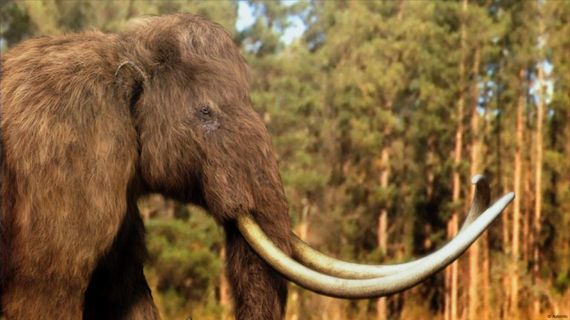
All around the world, scientists are working to recreate lost animal species such as the mammoth. Using modern genetic techniques, they’re extracting ancient genetic material from museum exhibits. Do their efforts represent hope for the future of the natural world? Or is science playing God?
On a dry lakebed in Nevada, a group of friends build the first scale model of the solar system with complete planetary orbits: a true illustration of our place in the universe.
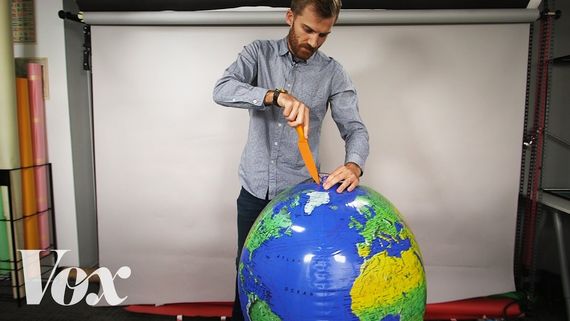
Maps are flat representations of our spherical planet. Johnny Harris cut open a plastic globe to understand just what it takes to turn a sphere into something flat.
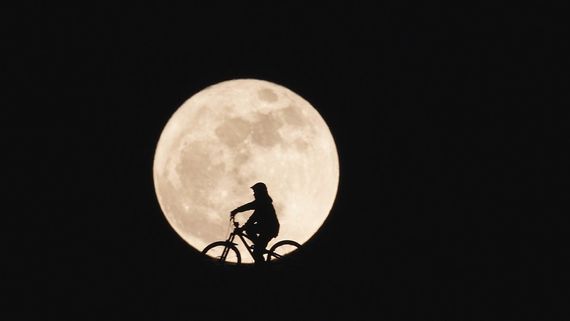
Blood moons, super moons and total eclipses. Explore a stunning medley of lunar delights from across the globe.