Indigenous
- Home ·
- Youth & Education ·
- Docs for Schools Today ·
- Indigenous
Fast Horse (D: Alexandra Lazarowich)
Stay up to date on Docs For Schools news. Join Join the Docs for Schools Email List.
Film Archive:
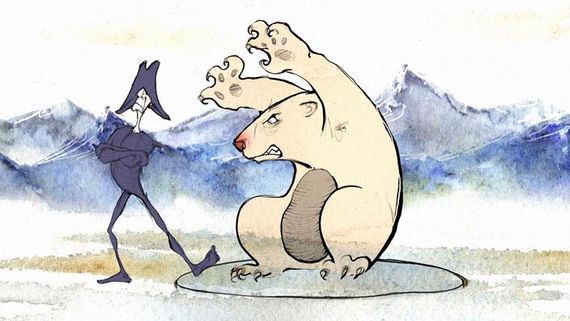
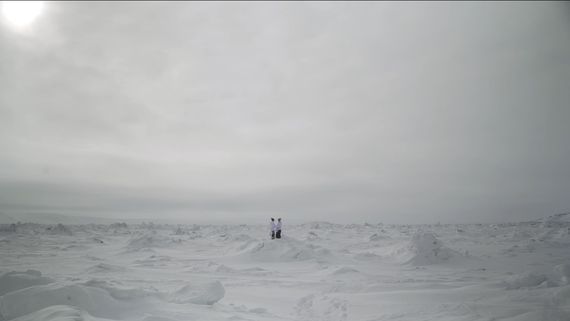
In this animated short, a self-important colonial explorer emerges from a sailing ship and plants a flag on the Arctic ice, as a bemused Inuit hunter looks on. Then the explorer plants another, and another, and another, while the hunter, clearly not impressed that his land has been “discovered,” quietly goes about his business. In this charming and humorous re-imagining of first contact between Inuit and European, Jonathan Wright brings us the story of a savvy hunter and the ill-equipped explorer he outwits.
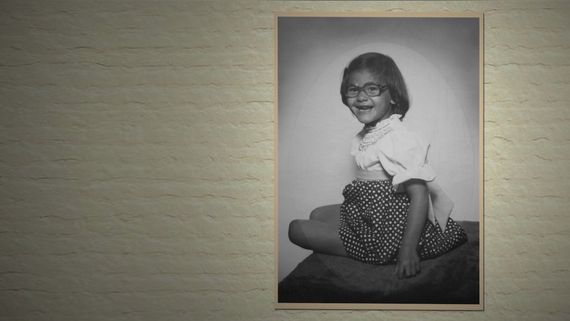
As a small child, Nakuset was taken from her home in Thompson, Manitoba and adopted into a Jewish family in Montreal. The story of how she reclaimed her Indigenous identity, with help from her Bubby.
Content Warning: Discussions of child abuse, trauma, and child seperation.
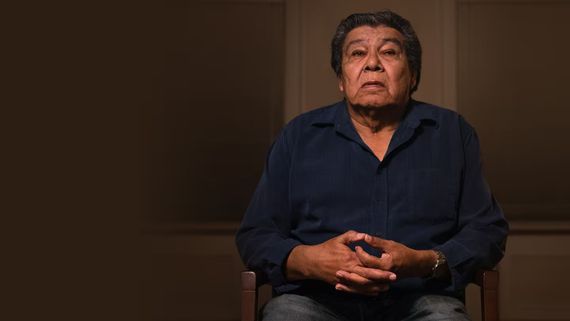
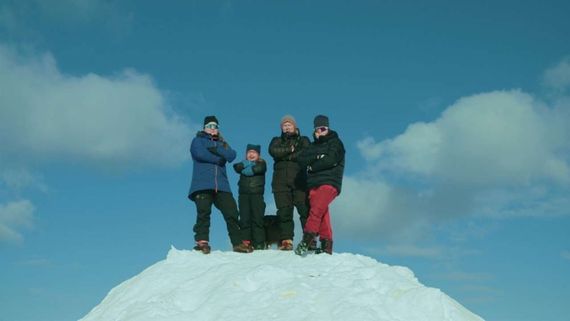
In 1967, Charlie Bittern was forced to run 80 km through a blizzard by a residential school principal. 55 years later, he’s embarking on the same journey—this time, surrounded by his family.
Downie Wenjack Collection
Click "More Details" for the film links.
The Downie Wenjack fund created this collection of fouur short film in collaboration with Indigenous artists to share powerful stories about reconciliation, connection, and community.
We Need to Talk (D: Alina Pete, 2021, 2 min)
Snowshow Teachings (D: Lucia Laford, 2021, 1 min)
Beading Together (D: Corrina McKay, 2021, 2 min)
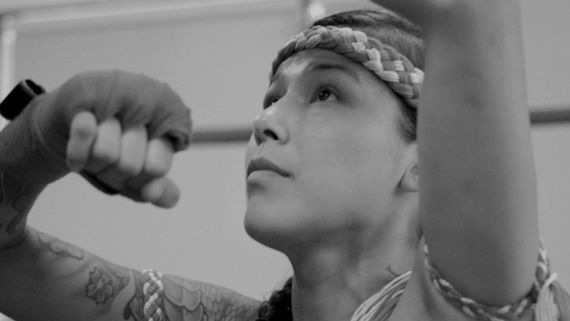
Determined to rise to the top of her sport, this short profiles Indigenous MMA fighter Ashley Nichols. Nichols turned to MMA as a means of escape and self-protection, but came away with much more, discovering her own inner strength and way to balance her physical and spiritual health.
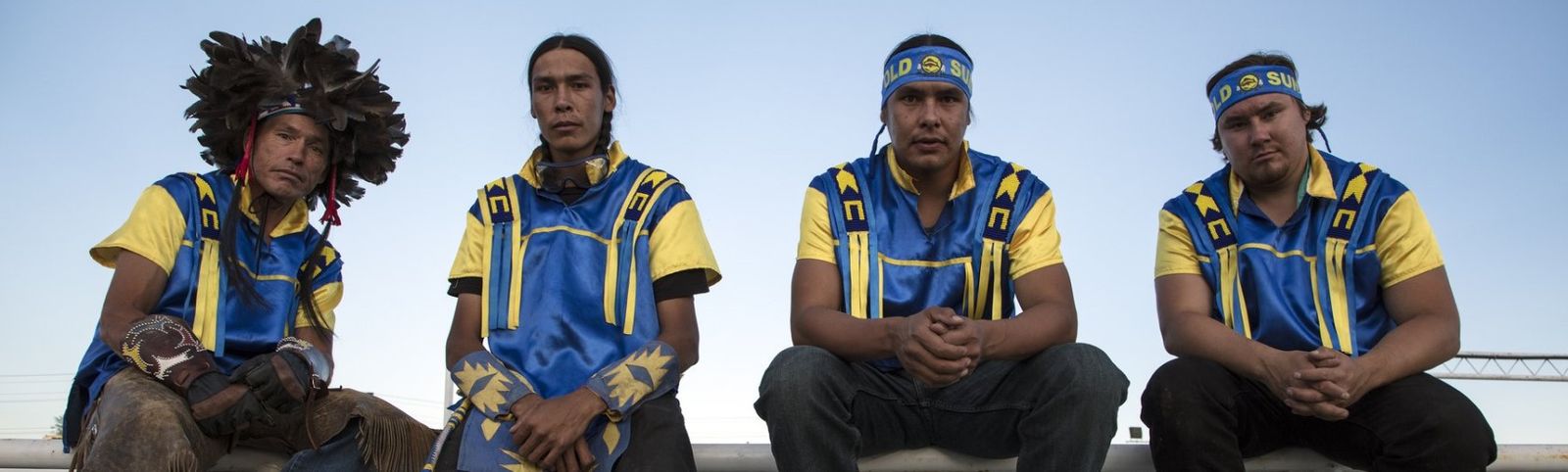
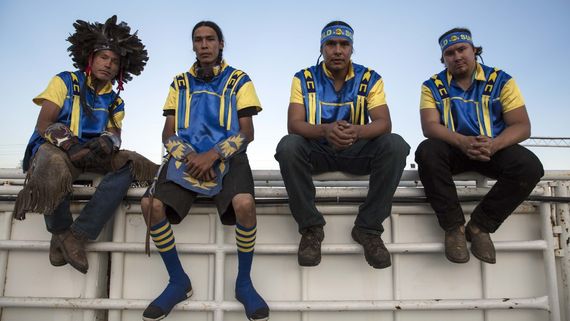
Welcome to a world of horse racing few will know. The film follows the return of the Blackfoot bareback horse racing tradition in a new form: the Indian Relay. Siksika horseman Allison Red Crow struggles to build a team with second-hand horses and a new jockey, Cody Big Tobacco. We see Cody take on the best riders in the Blackfoot Confederacy at the Calgary Stampede.
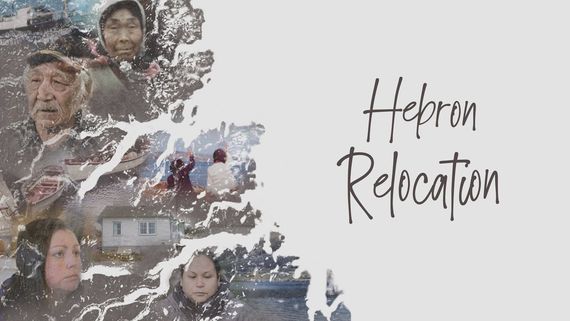
In Hebron Relocation, Holly Andersen explores what makes a place a home as she learns more about her community’s connection to generations of displaced northern Labrador Inuit.
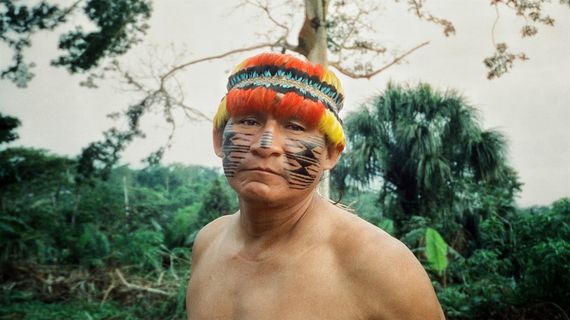
I Am The Nature is a poetic documentary honoring the philosophy and cultural expression of the Achuar people from the Amazon rainforest in Ecuador. Narrated by Chumpí Washikiat, a local leader, the movie dives into the insights of a man who has walked between worlds, echoing ideas of unity, empathy and harmony.
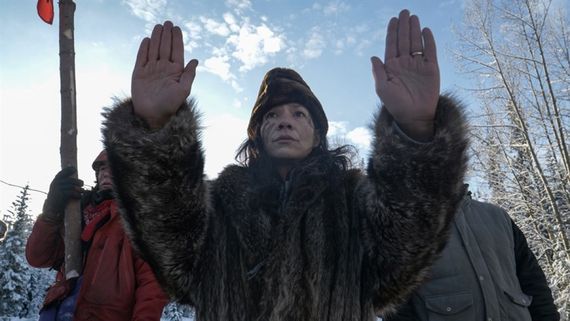
Urgent and timely, Invasion documents the Unist’ot’en camp, Gidimt’en checkpoint and larger Wet’suwet’en First Nation as they stand up to the Canadian government and corporations behind the Coastal GasLink pipeline, opposing colonial violence in an era of supposed reconciliation. (Mariam Zaidi, Hot Docs)
Eva Kaukai and Manon Chamberland practice the Inuk art of throat singing in their small village of Kangirsuk. Their mesmerizing voices carry through the four seasons of their Arctic land.
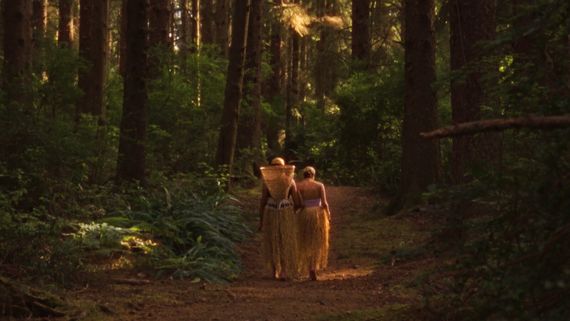
From Academy Award-winner Rayka Zehtabchi and Shaandiin Tome, "Long Line of Ladies" intimately observes the months-long process of one girl, her family, and their tight-knit Karuk community as they come together to prepare for her Ihuk, the coming-of-age ceremony for girls which went dormant for over a century due to the violence and destruction brought on by the California Gold Rush.
In the weeks leading up to her Ihuk, Ahty learns traditional songs and dances and mentally and physically prepares to spend four days blindfolded and fasting on sacred, tribal land. Meanwhile, the women and men around her support and uplift her as they pass down knowledge, prepare regalia, and above all, promote the continued revitalization of their sacred ceremony.
A collection of short films about the Indigenous experience in communities across Newfoundland and Labrador.
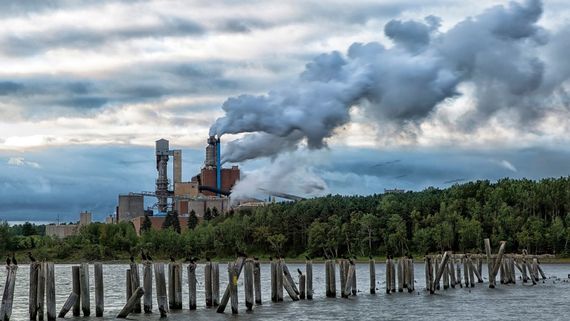
When the Nova Scotia government mandates Northern Pulp to clean up their site in Pictou County, it is a victory for many members of the community. The Pictou Mill is the most polluted site in Nova Scotia, contaminating the water of the largely Indigenous land it is located on. The good news of the cleanup, however, comes with financial and environmental consequences that spark tensions in the region.
Tracing their origins to the Cree Nation of Waswanipi, a family confronts the impacts of generational and cultural disconnection, discovering a potent form of medicine: the bonds of kinship.
A disconnected mixed Cree youth returns to their homelands and navigates building relationships with their family.
The history of residential schools in Canada can be traced to the 17th century. This short video notes significant dates—from the landing of Jesuits in what is now known as Quebec to the release of the Truth and Reconciliation Commission report in 2015.
The Great Bear Rainforest in British Columbia is a naturally rich and diverse land home to many indigenous People. Like other areas in the country rich in natural resources, the land and its people have been and continue to be threatened by government regulation, restriction, and resource extraction. This documentary explores the perspectives of Mike Willie and K̕odi Nelson, two Indigenous men looking to conserve their land, protect their culture and heritage, bring prosperity and respect to their people, and find harmony and reconciliation between Indigenous People and the Canadian government once and for all.
A Sámi woman fights for her right to claim a tax deduction against the purchase of a dog. Why the Swedish authorities fail to recognize the dog’s use as a reindeer herding tool versus a pet opens up a larger discussion about Indigenous rights and economic discrimination in this humorous takedown of the Swedish government’s ignorance of Sámi culture. Angie Driscoll
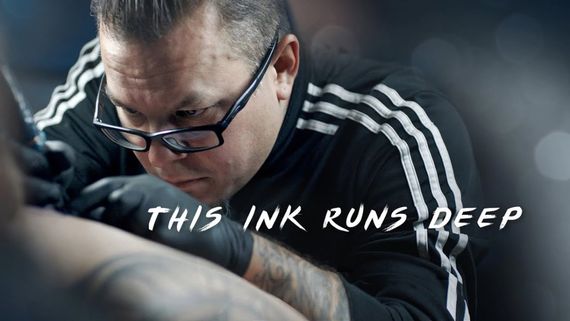
This Ink Runs Deep features Indigenous tattoo artists across Canada who are reviving ancestral traditions that disappeared during colonization. Through the film, we learn about the practices that were thought to be lost forever, and how their revival reflects a reawakening of Indigenous identity. (CBC)